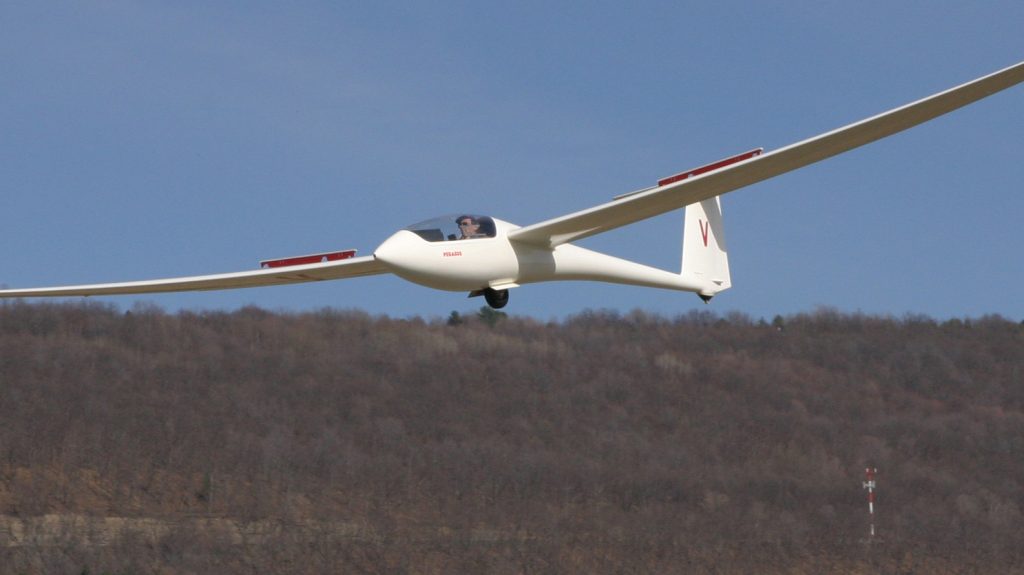
Schleicher ASK 21
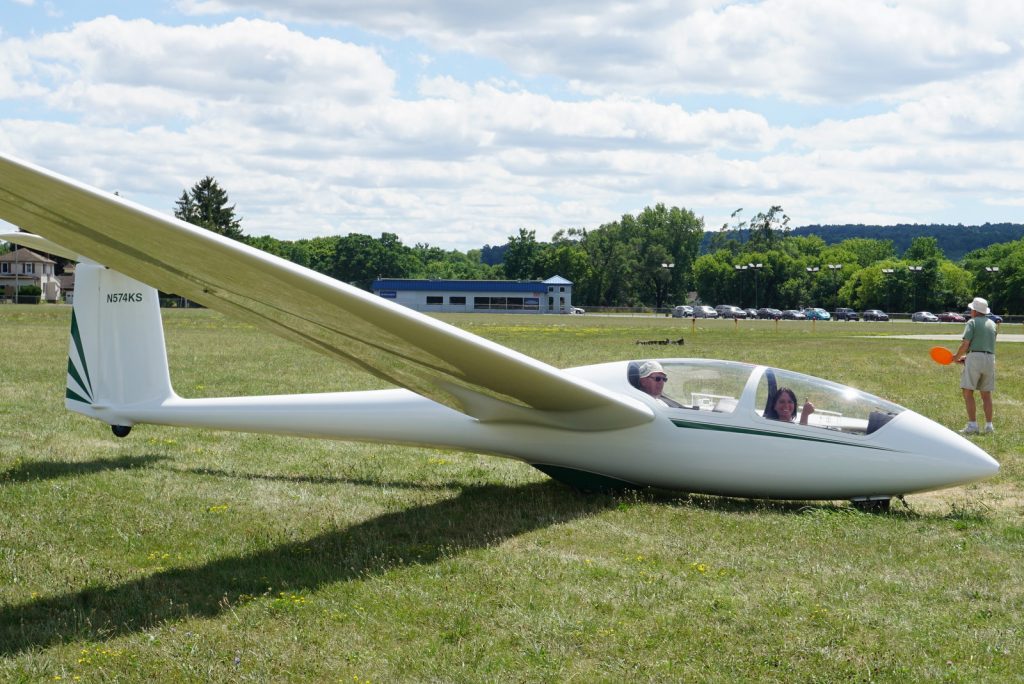
Fiberglass mid-wing trainer for all levels of instruction, cross-country flight, aerobatics, and spin training with approved tailweights.
Club aircraft
From first lesson to cross-country adventure, our club-owned aircraft give members a clear path to grow.
Eight ways to get airborne
FLSC maintains two-seat trainers, approachable solo ships, high-performance sailplanes, a realistic simulator, and two tow aircraft.
Operating limits are summarized from the club’s published fleet page. Pilots must use current approved aircraft documents and club procedures.

Fiberglass mid-wing trainer for all levels of instruction, cross-country flight, aerobatics, and spin training with approved tailweights.

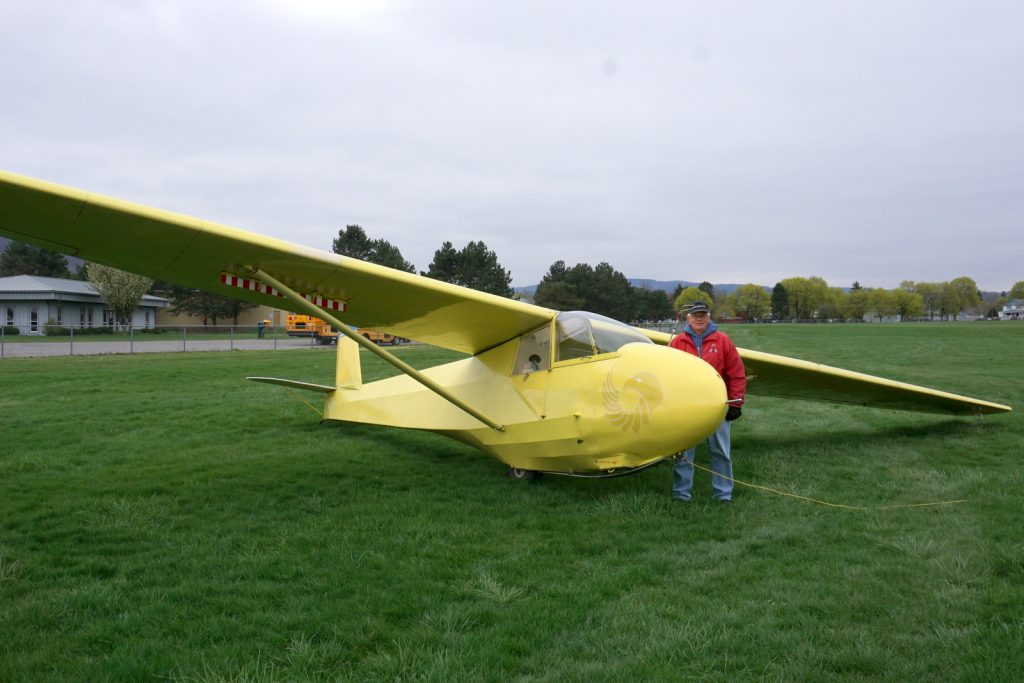
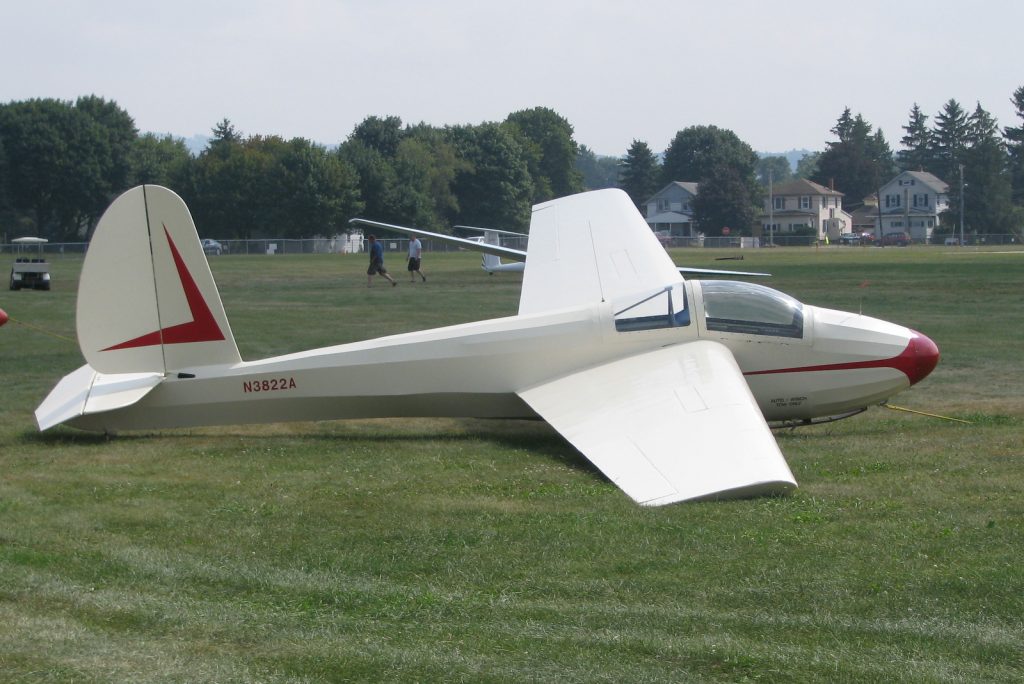
Rugged American primary trainer with docile stall behavior, a low stall speed, short landing capability, and a broad cockpit weight range.

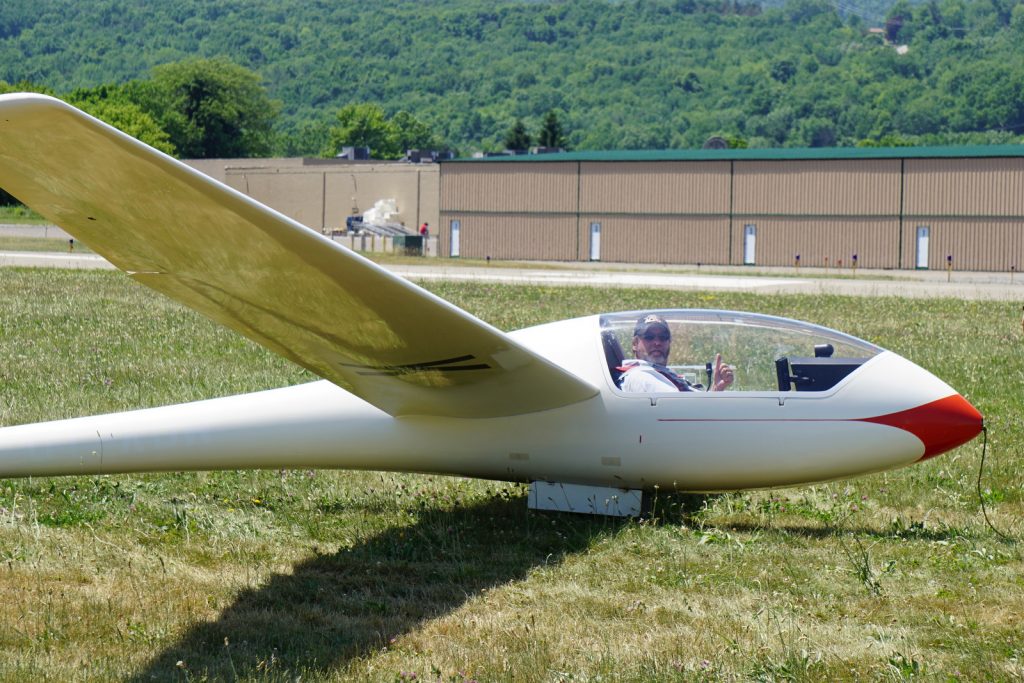
Single-seat fiberglass sailplane with a retractable wheel, good low-speed handling, docile stall characteristics, and aerobatic certification.

Carbon-spar competition sailplane with excellent handling, benign stall characteristics, winglets, and a claimed 41:1 maximum glide ratio.

Light, forgiving solo sailplane that climbs well, lands short, and makes an ideal transition after solo and into early cross-country flying.

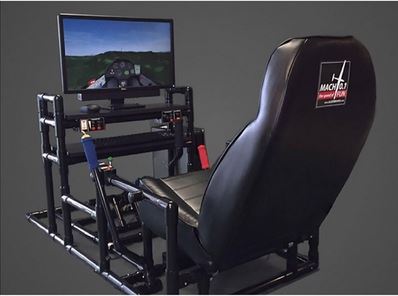
Condor-powered trainer with realistic controls, feedback, trim, adjustable rudder pedals, spoiler, gear, release, and a wide visual display—the same family used at the USAF Academy.

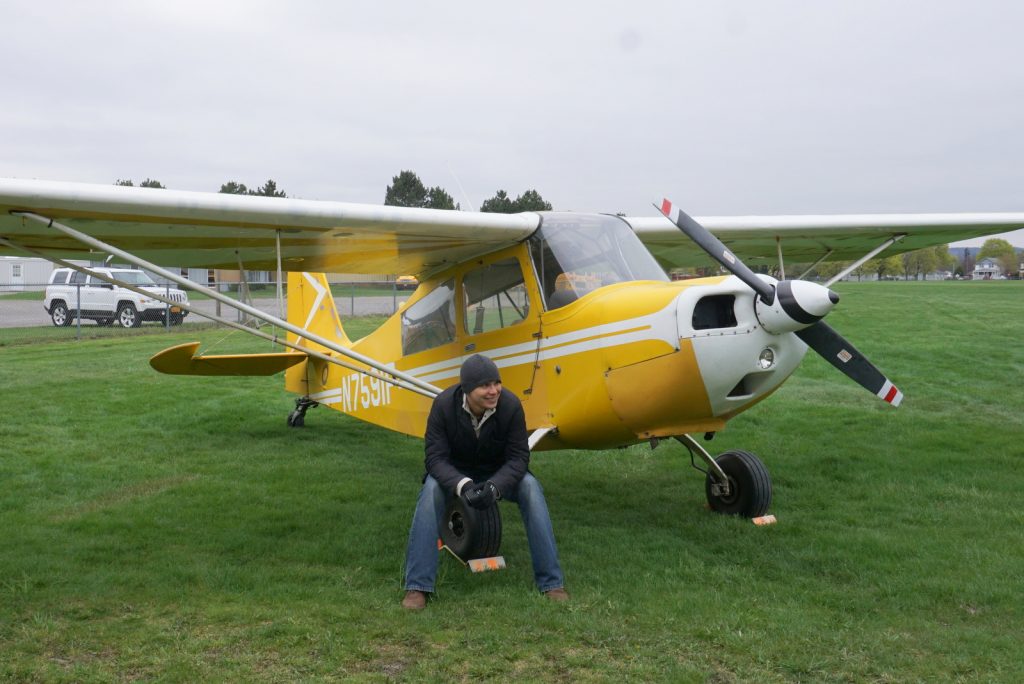
Two-seat conventional-gear aircraft used for spin training, field selection, tow-pilot checkouts, and backup towing of lighter club gliders.
Operating handbook ↗
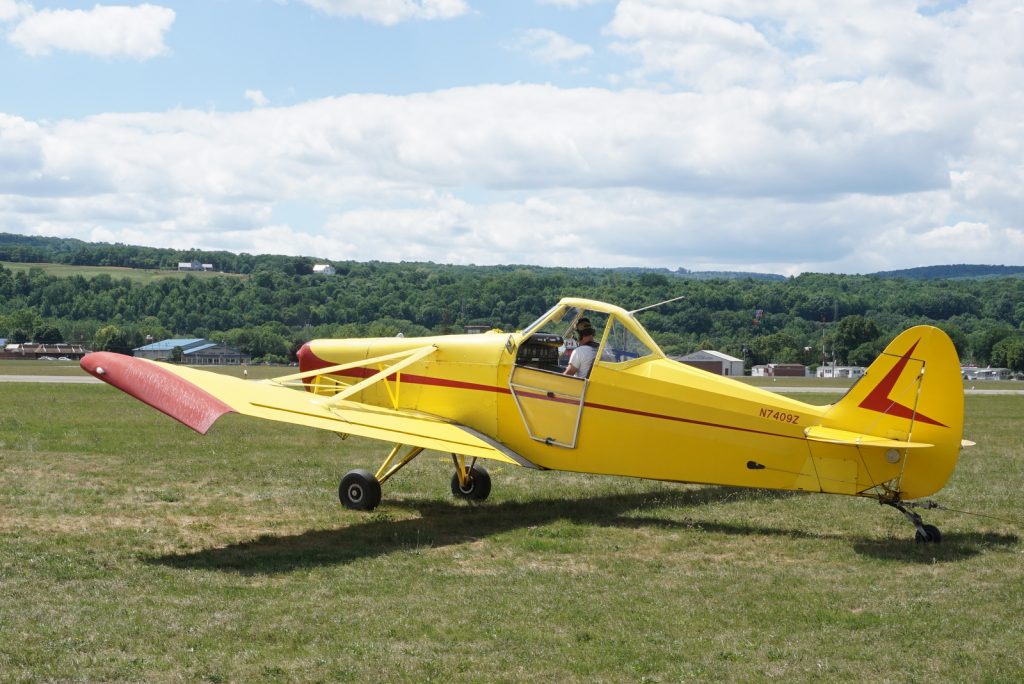
A purposeful former agricultural aircraft converted for glider towing. The Pawnee’s power and visibility have made the type a classic soaring tug.
Operating handbook ↗Your seat is waiting